

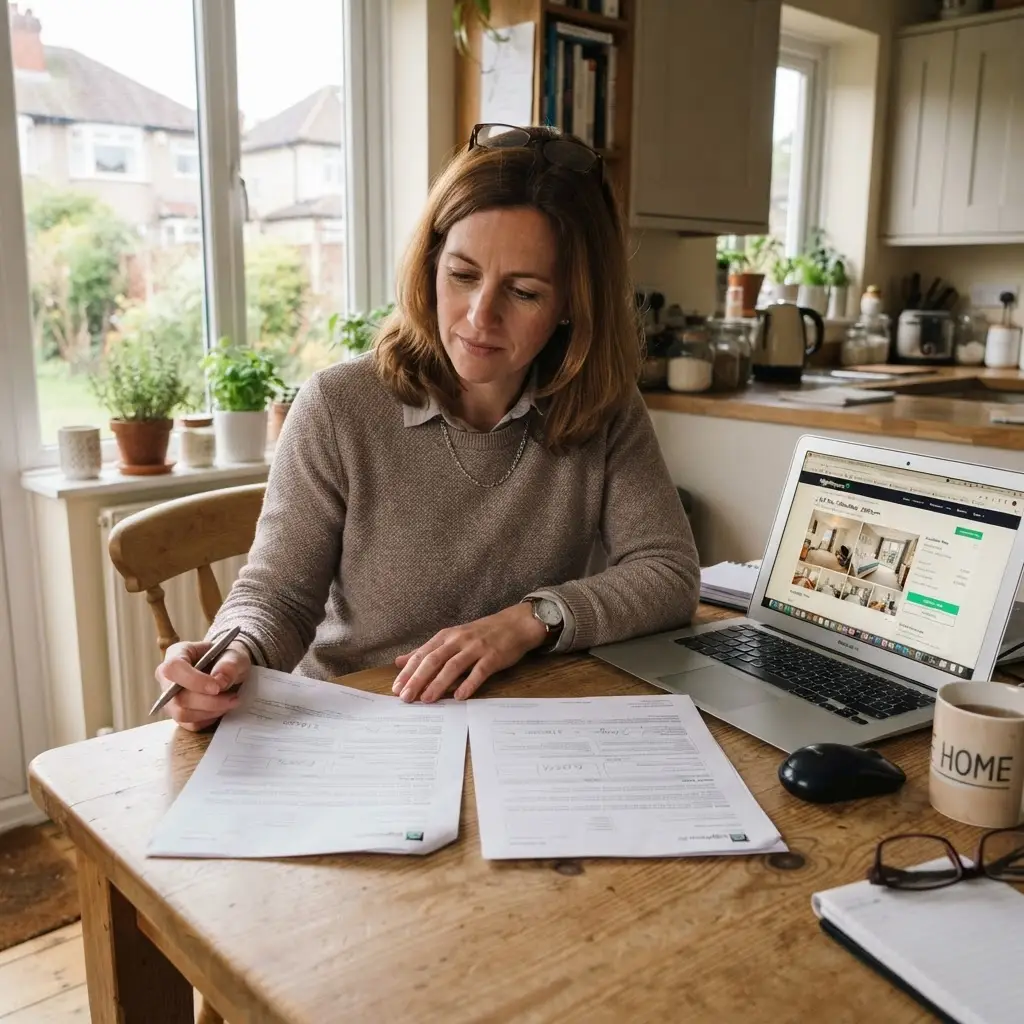
Many landlords are sitting on first-charge mortgages fixed at rates well below what’s available today. Remortgaging to release equity means giving that rate up, and often triggering an early repayment charge in the process. A second charge mortgage offers a way round that problem: it lets a landlord borrow against a buy-to-let property without touching the existing first mortgage at all.
What Is a Second Charge Mortgage on a Buy-to-Let Property?
A second charge mortgage on a buy-to-let property is a separate loan secured against a property that already has a mortgage on it. The new lender takes a second legal charge, ranking behind the first-charge lender in the event of a sale or repossession. Both loans run side by side, each with its own rate, term and monthly repayment, and the first mortgage’s terms stay completely unchanged.
Lenders typically cap combined borrowing across both charges at around 75% loan-to-value, and rental income has to cover both mortgage payments under stress testing, in a similar way to how a first-charge buy-to-let application is assessed. Standard buy-to-let properties are the easiest to place, though HMOs, multi-unit blocks and holiday lets can also qualify with the right lender. You can get a feel for the numbers on our second charge mortgage calculator before you apply.
Is a Second Charge on a Buy-to-Let Property Regulated?
Whether this type of lending is regulated depends on how the property is held. Most professional landlords borrowing against an investment property are arranging unregulated business lending, since the FCA treats buy-to-let as a commercial activity rather than consumer credit.
The exception is Consumer Buy to Let, which applies to accidental landlords: someone who has inherited a property, or previously lived in it themselves or let a close family member live there, and owns no other let property. Consumer Buy to Let cases are FCA regulated and need to be handled accordingly, so establishing which category a case falls into is one of the first things a broker needs to check.
How Much Can You Borrow?
As above, most lenders work to a combined loan-to-value ceiling of around 75% across both charges. Where you land within that depends on the strength of the rental income, the lender’s own stress testing, and your overall credit profile. Some second-charge lenders take a more flexible view of historic adverse credit than a typical first-charge lender would, which opens the door for landlords who might not qualify for a further advance from their existing lender. Current pricing across the second charge market is covered on our second charge mortgage rates page.
What Can You Use a Second Charge on a Buy-to-Let Property For?
Landlords use second charge borrowing for a range of purposes:
- Raising a deposit for the next property purchase.
- Funding refurbishment work.
- Covering a tax bill.
- Consolidating other borrowing.
- Releasing working capital for a wider property business.
Because the loan sits behind the existing mortgage without disturbing it, this route tends to suit anyone who wants to keep a favourable first-charge rate in place rather than remortgage the whole balance.
Second Charge vs Remortgaging vs a Further Advance
Compared with remortgaging, a second charge avoids early repayment charges and leaves the existing deal untouched, and completion is often quicker since there’s no need to requalify for the full mortgage balance. The trade-off is a second monthly payment and a higher rate than the first charge, reflecting the lender’s subordinate position.
Compared with a further advance from the existing lender, a second charge opens up the whole market rather than being limited to whatever the current lender is willing to offer. That matters most when the current lender won’t extend further borrowing or its terms aren’t competitive. Our full breakdown of second charge vs remortgage vs further advance covers this decision in more depth.

Comparing first charge and second charge loan terms side by side
Second Charge Lending Is Growing Fast
The Finance & Leasing Association recorded second charge new business up 29% by value and 21% by volume in April 2026 alone, with the twelve months to April totalling £2.34 billion across 44,450 agreements, up 28% year-on-year. Landlords holding onto sub-market first-charge rates are a meaningful part of that growth, since a second charge is often the only way to access equity without losing a deal that’s no longer available on the open market.
Why Work With a Broker
Given the number of variables involved, working with a broker who places second charge lending regularly is worth it. A broker can confirm whether a case is regulated or unregulated, identify which lenders will consider the property type and credit profile involved, and compare the true cost of a second charge against remortgaging or a further advance before any application goes in. This matters even more for complex ownership structures such as SPVs and trusts, or where a landlord is looking at a second charge bridging loan to move quickly on a purchase.
Frequently Asked Questions
Can I get a second charge mortgage on a buy-to-let property I already have a mortgage on?
Yes. A second charge sits behind your existing buy-to-let mortgage as a separate loan, so the first mortgage’s rate and terms stay exactly as they are.
Is a second charge mortgage on a buy-to-let property regulated by the FCA?
For most professional landlords, no. The FCA treats buy-to-let as a business activity, so second charge lending against an investment property is usually unregulated. The exception is Consumer Buy to Let, which covers accidental landlords with no other let property, and that category is regulated.
How much can I borrow against a buy-to-let property with a second charge?
Lenders generally cap combined borrowing across both mortgages at around 75% of the property’s value. The exact figure depends on rental income, the lender’s stress testing and your overall credit profile.
Will my rental income need to cover both mortgage payments?
Yes. Lenders stress test the rental income to check it can support both the first and second charge payments together, in much the same way a standard buy-to-let application is assessed.
Is a second charge mortgage better than remortgaging my buy-to-let property?
It depends on your existing deal. A second charge avoids early repayment charges and leaves a good first-charge rate untouched, but it does mean a second monthly payment at a higher rate. Remortgaging can make more sense if your current deal has ended or your existing lender’s rate is no longer competitive.
What can I use a second charge mortgage on a buy-to-let property for?
Common uses include raising a deposit for another property, funding refurbishment, covering a tax bill, consolidating other debts, or releasing capital for a wider property business.
Final Thoughts
A second charge mortgage gives landlords a way to release equity from a buy-to-let property without disturbing a first-charge deal that’s often no longer available elsewhere. It won’t suit every situation, and the regulated-vs-unregulated question needs answering early, but for the right case it can be faster and cheaper overall than a full remortgage.
If you’re weighing up a second charge against remortgaging or a further advance on a buy-to-let property, get in touch and we’ll talk you through the options that fit your situation.

Speak to a specialist second charge broker
Commercial Finance Network is a specialist broker for property and business finance, authorised and regulated by the Financial Conduct Authority. Second charge lending on a buy-to-let property is, in most cases, arranged as unregulated business lending rather than a regulated mortgage contract, but your property will still be used as security for the loan and could be repossessed if repayments are not maintained.
Call: +44 1494 622 111 Email: info@cfnuk.com
Related Pages
- Second Charge Mortgages – the full overview of how second charge lending works and who it’s for.
- Second Charge Mortgage Rates UK – current pricing across the second charge market by LTV and borrower profile.
- Second Charge vs Remortgage vs Further Advance – a full decision-stage comparison of your options.
- Second Charge Lending for SPVs, Trusts and LLPs – how complex ownership structures affect a second charge application.
- Second Charge Bridging Loans – using a second charge to move quickly on a time-sensitive purchase.
- Case Study: Second Charge to Consolidate Debt – a real second charge case, showing how the numbers worked in practice.