

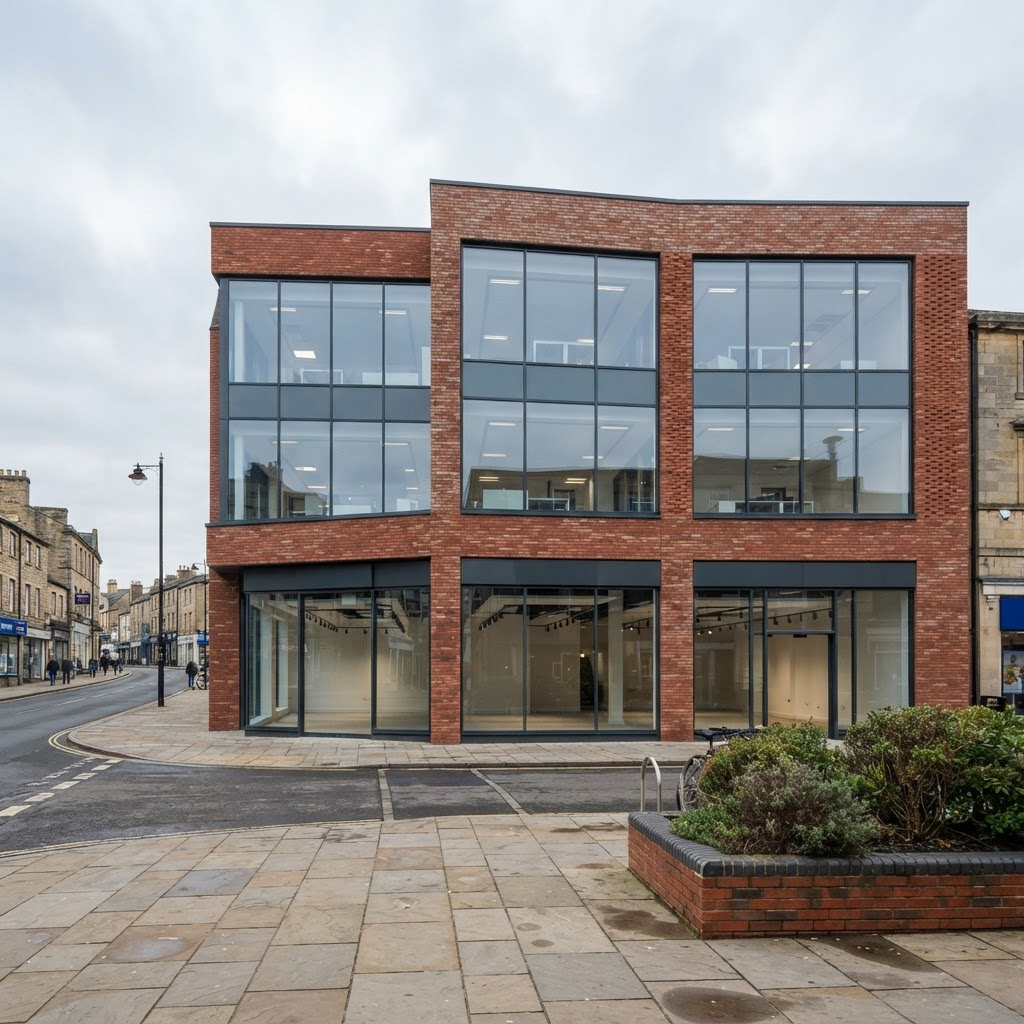
Release Equity From Commercial Property Without Disturbing Your Existing Mortgage
Most businesses that own property, or directors who own it personally, can raise money against it without touching the mortgage already in place. A second charge sits behind that existing loan. Nothing about it changes: not the rate, not the term, not the lender. And putting one in place usually takes far less time than remortgaging from scratch.
Working capital. A tax bill. An acquisition or a management buyout. A gap in cash flow that needs bridging before it becomes a problem. These are the reasons directors reach for this option, usually because the alternative means unwinding a first-charge deal they would struggle to replace on today’s terms. Below is how commercial second charge lending actually works: the cost, the borrowing limits, and when it beats an unsecured loan or a full remortgage.
What Is a Second Charge Mortgage for Commercial or Business Purposes?
A commercial or business-purpose second charge sits behind an existing first charge, and it is defined by what the money gets spent on, not by the property itself. Commercial premises owned by a company, a semi-commercial building, or even a director’s own house can all act as security. What matters is that the loan itself is being raised for the business, not for buying or keeping a home.
The basic mechanics do not change from a residential or buy-to-let second charge. The first lender keeps its priority position. The second charge lender takes a subordinate position behind it. Two facilities, running in parallel, each with its own rate and repayment terms. What changes is the underwriting. A business-purpose case gets judged on the business behind it, and its ability to service the debt, not on the property alone, and it sits outside the regulated mortgage rules that apply to owner-occupied residential lending.
Is Business-Purpose Second Charge Lending Regulated?
No, not in the way a residential mortgage is. Second charge lending taken for business purposes, or secured against a commercial or investment property, sits outside FCA mortgage rules. That is a deliberate line in the regulations. The regulated framework protects consumers borrowing to buy or live in their own home. A business raising money for a business reason falls outside it, even when the property put up as security happens to be someone’s house.
The lending is still supervised in practice, even without FCA mortgage rules behind it. Miss repayments and the property can still be repossessed. Lenders get more room to price and underwrite the case on its own terms though: the business itself, the director behind it, the exit plan, rather than the standardised affordability tests built for regulated residential lending. Sorting out which category a case falls into, regulated or not, is usually the first job a broker does on a new enquiry.
How Much Can You Borrow, and at What LTV?
Commercial and semi-commercial second charge lending caps out lower than residential second charge. Lenders see more risk in business-purpose and commercial security, so the ceiling reflects that. Mainstream specialist lenders typically work to a combined loan-to-value limit of around 65%, with loan sizes up to around £1 million and both term facilities and short-term bridging on offer. Larger commercial and semi-commercial facilities, sometimes running into several million pounds, are available from a smaller pool of specialist lenders on a case-by-case basis.
Pricing for secured business lending runs from roughly the Bank of England base rate plus 2.5%, up to base rate plus 6% or higher. Second charge facilities sit nearer the top of that band, because of where they rank behind the first charge. Even at that end, it is still cheaper than most unsecured business finance, which has no property behind it to limit the lender’s exposure.
A limited company owns a commercial unit worth £600,000. £200,000 is still owed on the first charge. At a 65% combined LTV ceiling, total borrowing across both charges tops out around £390,000, leaving roughly £190,000 available as a second charge on top of the existing facility, without touching its rate or terms. What actually gets offered depends on the lender’s view of the business itself, not just this arithmetic.

Working through borrowing limits and loan-to-value figures for a commercial second charge.
What Can a Commercial Second Charge Be Used For?
The pattern behind most applications is simple: a business needs capital, and there is a property with equity sitting in it. Here is what that capital tends to get used for.
- Funding growth, stock or a new contract without dipping into cash reserves
- Covering a corporation tax or VAT bill without disrupting day-to-day trading finance
- Financing a management buyout or buy-in where the property already carries strong equity
- Raising a deposit for another commercial property purchase or a portfolio expansion
- Covering a short-term gap in cash flow, such as while waiting on a large invoice or a contract payment
- Paying for refurbishment or fit-out work on premises the business already owns
- Releasing capital from a director’s own property to put into the business, without remortgaging their home
Second Charge vs Unsecured Business Loans vs Remortgaging
An unsecured business loan is quicker to arrange, and it needs no property security. But it is priced completely differently. A lender with no asset to fall back on prices in more risk, which usually shows up as a higher rate and a lower loan size than anything secured against property. A business that already owns property with equity in it will usually find a second charge the cheaper route to a similar sum.
There is also the option of remortgaging the commercial property outright and replacing the first charge entirely. It is worth comparing properly, not assuming it wins on price. Our full breakdown of second charge vs remortgage vs a further advance covers this in more depth. Short version: if the existing first charge has a competitive rate, or carries an early repayment charge, leaving it alone with a second charge on top often comes out ahead, even where the new borrowing itself costs more.
If the need is short-term, a single transaction to fund rather than ongoing working capital, a second charge bridging loan usually fits better, and it gets priced and underwritten differently to a standard term second charge. Property held through an SPV, a trust, or another complex ownership structure changes the underwriting again. Our guide to second charge lending for SPVs, trusts and LLPs covers that ground in full.
Why Work With Commercial Finance Network
Commercial second charge lending is a specialist corner of the market. Plenty of lenders who offer residential second charge products will not go near commercial or semi-commercial property at all. Among the lenders who will, pricing, LTV and sector appetite vary a great deal. We work whole-of-market, not off a single panel, and we build each application around how an underwriter is actually going to assess it, not around the valuation figure alone.
One advisor stays on your case from the first call through to completion. That continuity matters more in commercial lending than almost anywhere else in finance. The difference between a case that sails through and one that stalls usually comes down to how well it was packaged before the lender ever saw it.
Frequently Asked Questions
What is a second charge mortgage for business purposes?
A second charge loan taken out for a business reason, secured against commercial, semi-commercial, or even residential property. The type of property is not what defines it. What defines it is the purpose of the loan and who is borrowing – a company, a director, or a business owner raising funds for the business rather than for the home.
Is a commercial second charge mortgage regulated by the FCA?
No. Business-purpose second charge lending sits outside the regulated mortgage rules that cover owner-occupied residential lending. The property is still security, and it can still be repossessed if repayments are not kept up. What does not carry over is the underwriting framework and consumer protections built into a regulated mortgage.
How much can I borrow against a commercial property with a second charge?
Combined borrowing across both charges typically reaches around 65% loan-to-value, with loan sizes up to around £1 million from mainstream specialist lenders. Larger commercial and semi-commercial facilities are available from a smaller pool of lenders on a case-by-case basis. Where a case actually lands within the mainstream range depends on the lender’s read on the business, the type of property, and the strength of the exit or repayment plan, not the LTV maths alone.
How does a second charge compare to an unsecured business loan?
It usually costs less for a similar amount, because the property backing it lowers the lender’s risk. Unsecured business loans get arranged faster and need no property behind them, but the rate is higher and the maximum loan size is lower than secured borrowing of a similar size.
Can I raise a commercial second charge against my own home for business use?
Yes, provided the money is genuinely going into the business rather than being spent on the home. Plenty of directors use exactly this route: capital into the business, without remortgaging their own home or disturbing the rate on an existing residential mortgage.
What is the difference between a term second charge and a second charge bridging loan for business?
A term second charge runs as an ongoing facility with regular repayments. A bridging loan is built around one specific, time-limited transaction. Completing a purchase by a set date is a bridging problem. Raising working capital over the medium term is not. Match the structure to which one you actually have.
Final Thoughts
A commercial or business-purpose second charge lets a business, or its directors, pull equity out of property they already own, without touching a first-charge deal that might not exist on the same terms elsewhere. Sitting outside the regulated mortgage framework buys more flexibility in how a case gets underwritten. It also means terms and appetite vary a lot more from lender to lender.
Working capital, a tax bill, an acquisition, a short-term gap to bridge: whatever the reason, the right structure and the right lender depend on the specifics of the business and the property involved. Compare that properly against a remortgage, a further advance, or an unsecured facility before applying. That is what keeps the numbers standing up once underwriting actually starts.

Talking through second charge options with a dedicated advisor, from first enquiry to completion.
Raising Capital Against Business or Commercial Property?
There is equity in a commercial property, or a business-owned or personally-held property could release capital for a business purpose. Get in touch and we will talk through what fits your situation.
Commercial Finance Network is a whole-of-market FCA authorised commercial finance broker working with property investors, developers, and businesses across the UK and internationally. We work across the full specialist second charge panel and will tell you which lenders will engage with your deal, what LTV and rate to expect, and how to structure the application before anything is submitted.
Commercial Finance Network is directly authorised and regulated by the Financial Conduct Authority.
Think carefully before securing other debts against property you own. Your property may be repossessed if you do not keep up repayments on a loan secured against it. Second charge lending taken for business purposes or secured against investment or commercial property is not regulated by the Financial Conduct Authority.
Call: +44 1494 622 111
Email: info@cfnuk.com
Related Pages
- Second Charge Mortgage UK – the full overview of how second charge lending works and who it is for.
- Second Charge Mortgage Rates UK – current pricing across the second charge market by LTV and borrower profile.
- Second Charge Mortgages on Buy-to-Let Property – how the same structure applies to investment property.
- Second Charge Lending for SPVs, Trusts and LLPs – how complex ownership structures affect a second charge application.
- Second Charge Mortgage Calculator – estimate repayments and work out the equity available under combined loan to value.
- Business Loans – unsecured and secured funding where a second charge is not the right fit.